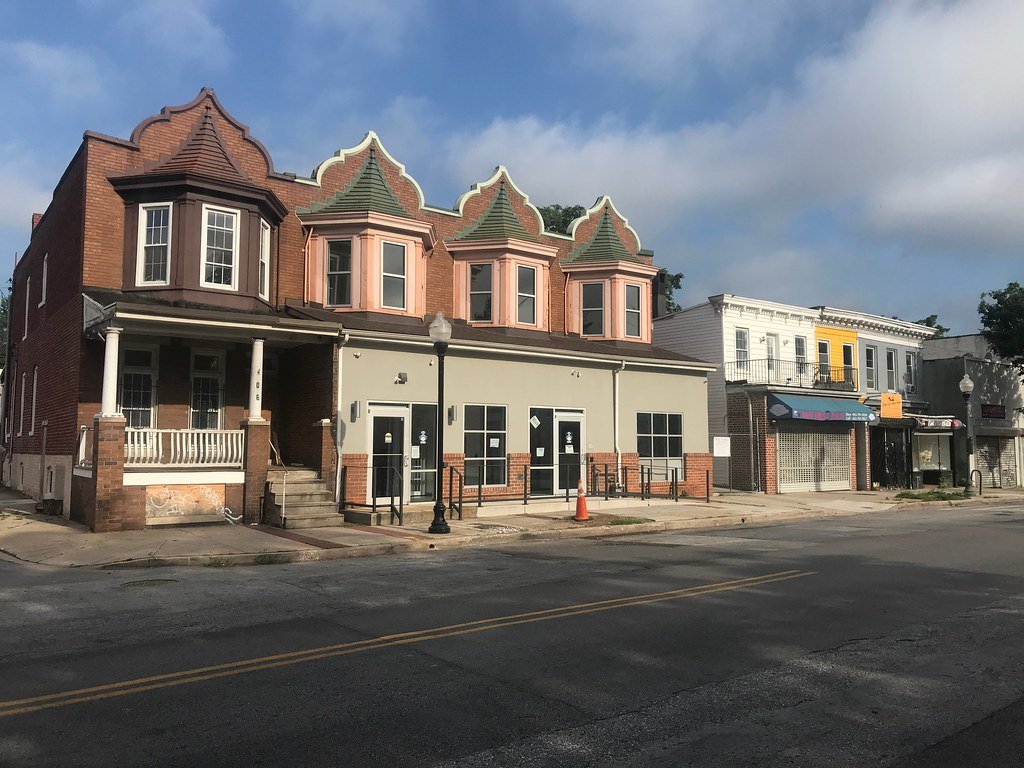
Community Growth
How Commercial Property Investments Can Support Local Business Growth
Commercial property investments can support local business growth when they provide useful, accessible, and well-maintained places for companies to operate. A property is not only an investment on a balance sheet. It can become part of a corridor where customers shop, professionals meet clients, service providers build relationships, and businesses become more visible to the community.
This local role does not happen automatically. It depends on ownership decisions, tenant mix, maintenance, access, signage, reinvestment, and coordination with the surrounding market. A neglected property can weaken confidence in a corridor. A practical and responsive property can help businesses feel more stable and customers feel more comfortable visiting.
The following sections look at how commercial property investments can contribute to local business growth while still being evaluated as investments. The focus is on business platforms, access, tenant mix, maintenance, adaptive reuse, responsible ownership, coordination, and long-term local value.
Commercial Space Gives Businesses A Platform
Local businesses need places that make operations possible. A good commercial space supports staffing, customer visits, deliveries, service flow, storage, visibility, and daily routines. When the space works, the business can focus more energy on serving customers and less on fighting the property.
Investors who understand this platform role can make better leasing and improvement decisions. They look at the property through the eyes of businesses that might occupy it. Is the suite easy to find? Does the layout support the tenant’s workflow? Are the building systems dependable? Does the exterior create confidence? These questions connect investment value with business usefulness.
- Evaluate how the property helps tenants serve customers.
- Review whether building conditions support reliable daily operations.
- Treat business usefulness as a core part of asset value.
Access And Visibility Matter To Operators
For many local businesses, access and visibility can affect revenue. Customers may choose a provider because parking is easier, the storefront is visible, or the location fits into an existing routine. Employees and vendors also notice whether the property is convenient and safe to reach.
Commercial property owners can support access through clear signage, maintained parking areas, good lighting, understandable circulation, and thoughtful exterior upkeep. These details may seem ordinary, but they shape whether a business feels confident inviting customers to the site.
Tenant Mix Can Strengthen A Corridor
Tenant mix affects how a commercial property contributes to local activity. Complementary businesses can create shared customer patterns. A coffee shop, fitness studio, professional service, clinic, salon, restaurant, or specialty retailer may help nearby tenants by bringing people into the same area at different times of day.
The right mix depends on the property type and local market. Owners should avoid forcing a theme that the area cannot support, but they can still think carefully about how tenants relate to one another. A healthy mix can make the property more useful to the community and more attractive to future tenants.
- Study which uses bring repeat visits to the corridor.
- Consider whether tenants complement or conflict with one another.
- Protect flexibility so the mix can evolve with demand.
Maintenance Shapes Business Confidence
Business owners notice maintenance because it affects their customers and staff. Poor lighting, damaged pavement, unclear entries, unreliable systems, or neglected landscaping can make a property feel less professional. These issues can influence renewal decisions and the willingness of new tenants to invest in their space.
Consistent maintenance sends a different message. It tells tenants that the owner is attentive and that the property has standards. It can also help customers feel safer and more comfortable. For local business growth, the physical environment matters because it frames the customer’s first impression.
Adaptive Reuse Can Extend Local Value
As markets change, some properties need new uses to remain relevant. Adaptive reuse can help older or underused assets serve current business needs. A former retail space might support medical, wellness, education, office, or service uses. A dated office property might benefit from smaller suites, shared amenities, or improved common areas.
Adaptive reuse requires careful analysis. The owner must study zoning, building systems, parking, access, construction cost, and tenant demand. When done well, it can preserve a property’s place in the local economy while opening it to businesses that better match current demand.
- Confirm that the physical building can support the intended use.
- Check local rules before assuming a conversion is practical.
- Use tenant demand to guide reuse, not nostalgia for the prior use.
Responsible Ownership Builds Trust
Commercial property owners influence how tenants, neighbors, and local stakeholders view a business corridor. Responsible ownership includes communication, fair lease practices, thoughtful maintenance, attention to safety, and willingness to address problems before they spread. Trust grows when tenants believe the owner cares about the long-term health of the property.
That trust has investment value. Tenants who trust ownership may be more willing to renew, recommend the property, or invest in improvements. Local brokers may view the asset more favorably. Customers may feel more comfortable visiting. Responsible ownership is not separate from performance. It is part of it.
Growth Requires Practical Coordination
Local business growth often depends on coordination among owners, tenants, municipalities, customers, lenders, and service providers. A property owner cannot control every factor, but can still contribute by keeping the asset functional, communicating with tenants, understanding local plans, and aligning improvements with corridor needs.
Coordination can be simple. It may involve sharing construction timing with tenants, improving signage before a leasing push, working with local requirements, or planning upgrades around seasonal business patterns. These practical choices help the property support business activity instead of interrupting it.
- Stay aware of nearby infrastructure and development changes.
- Communicate improvements before they affect tenants.
- Look for projects that help both tenant operations and asset value.
Practical Ways Property Owners Support Local Business Ecosystems
A property owner can support a local business ecosystem by making the asset easier to use. This begins with the basics: clean entries, safe lighting, maintained parking, clear addresses, reliable systems, and prompt repair communication. These details help tenants focus on their customers instead of explaining property problems.
Owners can also support businesses by understanding their operating cycles. A restaurant may have different needs than a clinic, salon, studio, office, or neighborhood retailer. Construction timing, parking access, signage changes, and maintenance work can affect each business differently. Sensitivity to those patterns can reduce disruption and build trust.
Leasing decisions influence the local ecosystem as well. A property filled with tenants that draw repeat visits can create momentum for the entire center or corridor. The goal is not to manufacture a perfect mix, but to recognize how tenants interact. Uses that complement one another can make the property more active and more useful.
Small improvements can have an outsized effect on local perception. Better exterior lighting, fresh striping, clearer wayfinding, healthier landscaping, repaired sidewalks, or improved storefront visibility can make a property feel more inviting. These projects may also help tenants feel more confident marketing their own businesses.
Owners should listen to tenant feedback before planning major work. Tenants often know what customers struggle with: confusing entrances, limited pickup areas, poor visibility, uncomfortable common spaces, or maintenance issues that repeat. This feedback can help prioritize improvements that support both tenant success and investment value.
Local coordination matters when a property sits within a changing corridor. Road work, nearby development, zoning updates, public safety concerns, and municipal plans can all affect tenant operations. Owners who stay aware of these changes can communicate earlier and adapt property plans more intelligently.
Commercial properties can also support entrepreneurship by offering spaces that match different stages of business growth. Smaller suites, flexible layouts, clear lease terms, and realistic improvement plans can help local operators take space without overextending. This must still be balanced with prudent underwriting, but flexibility can broaden demand.
Responsible ownership includes enforcing standards fairly. A property where rules are ignored can become frustrating for strong tenants. Cleanliness, signage guidelines, parking rules, hours, maintenance responsibilities, and common area expectations all help protect the shared environment. Consistency can support the credibility of the property.
The owner should also recognize when a property needs reinvestment to remain part of the local economy. If the building no longer fits current tenant needs, a plan for adaptive reuse, suite changes, or exterior improvements may be necessary. Local growth depends on properties staying relevant, not simply staying occupied.
The connection between investment and community is practical. A commercial property that supports tenants well is more likely to stay leased, draw customer activity, and maintain a positive reputation. Local business growth and asset performance are not separate goals when the property is managed with care.
- Use tenant feedback to identify improvements that customers actually notice.
- Coordinate construction and maintenance around business operating patterns.
- Protect standards that make the property reliable for every tenant.
Measuring Local Impact Without Losing Investment Discipline
Local impact can be measured in practical ways that also matter to investors. Owners can track occupancy, renewal interest, tenant referrals, customer access issues, maintenance response, and the quality of inquiries from local businesses. These indicators show whether the property is functioning as a useful place for commerce.
A property that supports local business growth should still be managed with financial discipline. Owners need sustainable rents, clear leases, adequate reserves, and responsible tenant selection. Community usefulness is strongest when the asset is financially stable enough to be maintained and improved over time.
Tenant success stories can reveal what the property does well. If businesses value parking, visibility, neighboring uses, or responsive management, those strengths should guide future leasing and marketing. The owner can build on what is already working instead of guessing at what the community needs.
Local impact also requires honest limits. A property owner cannot solve every issue in a corridor. Public infrastructure, consumer behavior, labor markets, and municipal policies all matter. The owner’s role is to manage the asset responsibly and coordinate where practical, not to promise outcomes beyond the property.
The owner can still notice whether the property is adding confidence to the corridor. Cleaner storefronts, stronger occupancy, easier customer access, and tenants who are willing to invest in their spaces all suggest that the asset is contributing to a healthier local business environment.
Owners can also watch the balance between local tenants and destination tenants. Local tenants often build neighborhood familiarity, while destination tenants may bring visitors from a wider area. A property that understands this balance can support the corridor while maintaining a stronger leasing story.
This balance is especially important when planning tenant mix. A property made only of destination uses may feel disconnected from nearby residents, while a property made only of local convenience uses may miss opportunities to draw broader traffic. The strongest mix depends on the site and the market around it.
Investment discipline and local usefulness meet in the capital plan. Improvements should make the property better for tenants and stronger as an asset. Lighting, signage, paving, facade work, landscaping, suite readiness, and access improvements can serve both goals when selected carefully.
The best measure of local contribution is whether the property remains relevant. If tenants can operate well, customers can visit comfortably, and the asset can adapt as business needs change, the property is doing meaningful work in the local economy while supporting long-term investment value.
- Track tenant referrals, renewal sentiment, and recurring customer access issues.
- Keep local usefulness tied to sustainable leases and adequate reserves.
- Choose improvements that support both tenant operations and asset durability.
Conclusion
Commercial property investments can support local business growth when they provide useful space, strong access, thoughtful tenant mix, consistent maintenance, and responsible ownership. These qualities help businesses operate with confidence and help corridors remain active.
The investment lesson is clear: local usefulness and long-term value often reinforce each other. A property that serves businesses well is more likely to attract demand, retain tenants, and remain relevant as the market changes.